
When planning a construction or renovation project, it’s completely natural to focus on staying within budget. However, one of the most common and costly mistakes homeowners make is choosing cheaper materials to reduce upfront expenses. While budget-friendly options may look appealing at first, they often lead to higher costs over time due to repairs, replacements, energy loss, and reduced property value.
In 2025, with rising labor costs, utility prices, and maintenance demands, investing in quality materials is no longer just a premium choice; it’s a smart financial strategy. Choosing durable, high-performance materials protects your home, increases comfort, and saves you money in the long run.
Fewer Repairs, Lower Maintenance, and Longer Lifespan
One of the biggest financial advantages of quality materials is durability. Low-cost materials tend to wear down quickly, crack, fade, warp, or fail under normal daily use. This results in frequent repairs, ongoing maintenance, and early replacements that slowly drain your budget year after year.
For example, low-grade flooring can scratch and warp within a short time, inexpensive paint often peels after just a few seasons, budget roofing materials may fail early, and cheap plumbing parts are far more likely to leak or corrode. In contrast, high-quality materials are specifically designed to withstand stress, moisture, temperature changes, and long-term use with minimal wear.
When you invest in durable materials from the beginning, you dramatically reduce surprise repair costs and avoid being forced into early replacements. Over 10 to 20 years, homeowners who choose quality almost always spend far less than those who constantly fix or replace cheaper alternatives.
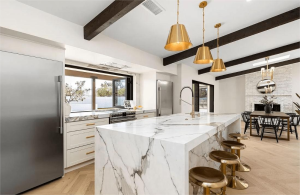
Lower Energy Bills and Improved Home Efficiency
Energy efficiency has become one of the most important factors in modern construction. Your home’s windows, insulation, roofing, and building materials directly affect how much energy you use every day. Cheap materials allow air leaks, temperature fluctuations, and energy loss, which force your heating and cooling systems to work harder and drive your utility bills up.
High-quality materials create stronger insulation, better temperature control, and improved airflow management. Well-built windows and doors reduce heat loss in winter and block excess heat in summer. Quality insulation keeps indoor temperatures stable year-round. Advanced roofing materials reflect heat and improve ventilation.
These improvements lead to noticeable monthly savings on electricity, heating, and cooling. Over time, the money saved on energy bills alone can recover a large portion of your initial investment. In addition, energy-efficient homes are more comfortable, environmentally responsible, and far more attractive to future buyers.
Higher Property Value and Stronger Resale Potential
Quality materials don’t just save money while you live in your home; they also increase your property’s value. Today’s buyers are more informed than ever. They look beyond appearance and pay close attention to craftsmanship, material quality, energy efficiency, and long-term performance.
Homes built or remodeled with premium materials:
- Sell faster
- Attract stronger offers
- Require fewer buyer negotiations
- Create greater trust with inspectors and agents
Key areas such as kitchens, bathrooms, windows, flooring, and roofing have a direct impact on resale value. When buyers see durable surfaces, modern systems, and energy-efficient construction, they recognize that the home has been well cared for and will require fewer future expenses.
In contrast, homes finished with low-quality materials often suffer from visible wear, inspection issues, and buyer concerns, which lead to reduced offers and longer time on the market.
Better Safety, Reliability, and Peace of Mind
Safety is another major reason why quality materials save money long-term. Cheaper materials are often more vulnerable to fire risks, water damage, mold growth, and electrical failures. What starts as a small savings can turn into massive repair costs or even dangerous situations for your family.
High-quality materials meet strict safety and performance standards. Fire-resistant insulation, reinforced structural components, moisture-resistant wood, and reliable electrical systems all protect both your property and your well-being. Preventing even one major incident—such as severe water damage, structural failure, or electrical malfunction- can save tens of thousands of euros in repairs and liability.
Beyond safety, there is also peace of mind. When your home is built with strong, dependable materials, you don’t constantly worry about what might fail next. You can plan financially with confidence, enjoy your space without stress, and focus your future investments on comfort and design rather than emergency repairs.
Final Thoughts
While cheap materials may reduce your initial construction costs, they almost always create higher expenses in the long run. Frequent repairs, rising energy bills, reduced resale value, and increased safety risks quickly erase any short-term savings.
In 2025, investing in quality materials is one of the smartest decisions a homeowner can make. It protects your home, increases comfort, improves energy efficiency, strengthens your property value, and delivers long-term financial security.
When you choose quality, you are not just building for today; you are investing wisely in your future.